Expert ComparisonUpdated June 2026
ZELUS vs Poudee vs Zikopomi
Best Budget Adjustable Weighted Vests (6–30 lb) for Running, Rucking & Strength Training
Weighted vests are one of the simplest and most effective tools for adding progressive resistance to bodyweight training, running, rucking, and walking. We analyzed the three highest-volume, best-reviewed budget options currently dominating Amazon: ZELUS, Poudee, and Zikopomi.
All three offer the popular 6 lb to 30 lb range with iron sand filling, neoprene construction, reflective stripes for safety, and elastic adjustability. This guide breaks down real differences in pockets, review volume, value, comfort during cardio, and who should choose which vest.
Affiliate Transparency: This comparison includes Amazon affiliate links. We earn a commission at no extra cost to you. We only recommend products we believe deliver real value. Full disclosure at the bottom.
Quick Verdict: Find Your Winner
🏆 Best Overall: ZELUS
Highest review volume, storage pockets, proven durability over thousands of workouts
Best for: Runners who carry phone/keys, ruckers, long-term users
💰 Best Value: Poudee
Lowest price ($19.99), Amazon's Choice, 5K+ recent purchases — unbeatable entry price
Best for: Beginners testing weighted training, budget buyers
⭐ Best Rated: Zikopomi
Highest star rating (4.7), strong recent discount, upgraded sand distribution claims
Best for: Buyers who prioritize customer ratings and current deals
🏃 Best for Running/Rucking: ZELUS
Pockets + reflective stripe + highest real-world usage feedback for cardio with load
Best for: Runners, walkers, and ruckers who need visibility and storage
How We Selected These Vests
We focused on the current top-performing budget weighted vests (under ~$30) with these criteria:
- High Review Volume + Recent Sales: 1,000+ reviews and strong "bought in past month" signals for real-world validation.
- 6–30 lb Range: Multiple weight options so users can progress without buying a new vest immediately.
- Reflective + Running Features: Reflective stripes and comfort for dynamic movement (running, rucking, walking).
- Price Transparency: All currently available under $30 with visible discounts at time of research.
- Honest Differentiation: We highlight pockets, review volume, and value rather than marketing claims.
How Weighted Vests Work & Who Benefits
A weighted vest adds external load to your bodyweight. This increases intensity of push-ups, pull-ups, squats, lunges, running, and walking without needing gym equipment.
Key Benefits:
Progressive overload, higher calorie burn, improved bone density stimulus (when appropriate), stronger running/walking economy over time.
Safe Starting Point:
Begin with 5–10% of your body weight. Increase gradually. For running, many people stay under 10–15 lb total added weight.
Best Use Cases:
Bodyweight strength circuits, rucking (weighted walking/hiking), hill sprints, and making daily walks more challenging for fat loss.
These are general fitness tools. People with joint issues, back pain, or recent injuries should consult a doctor or physical therapist before adding load.
The Three Vests: Detailed Profiles
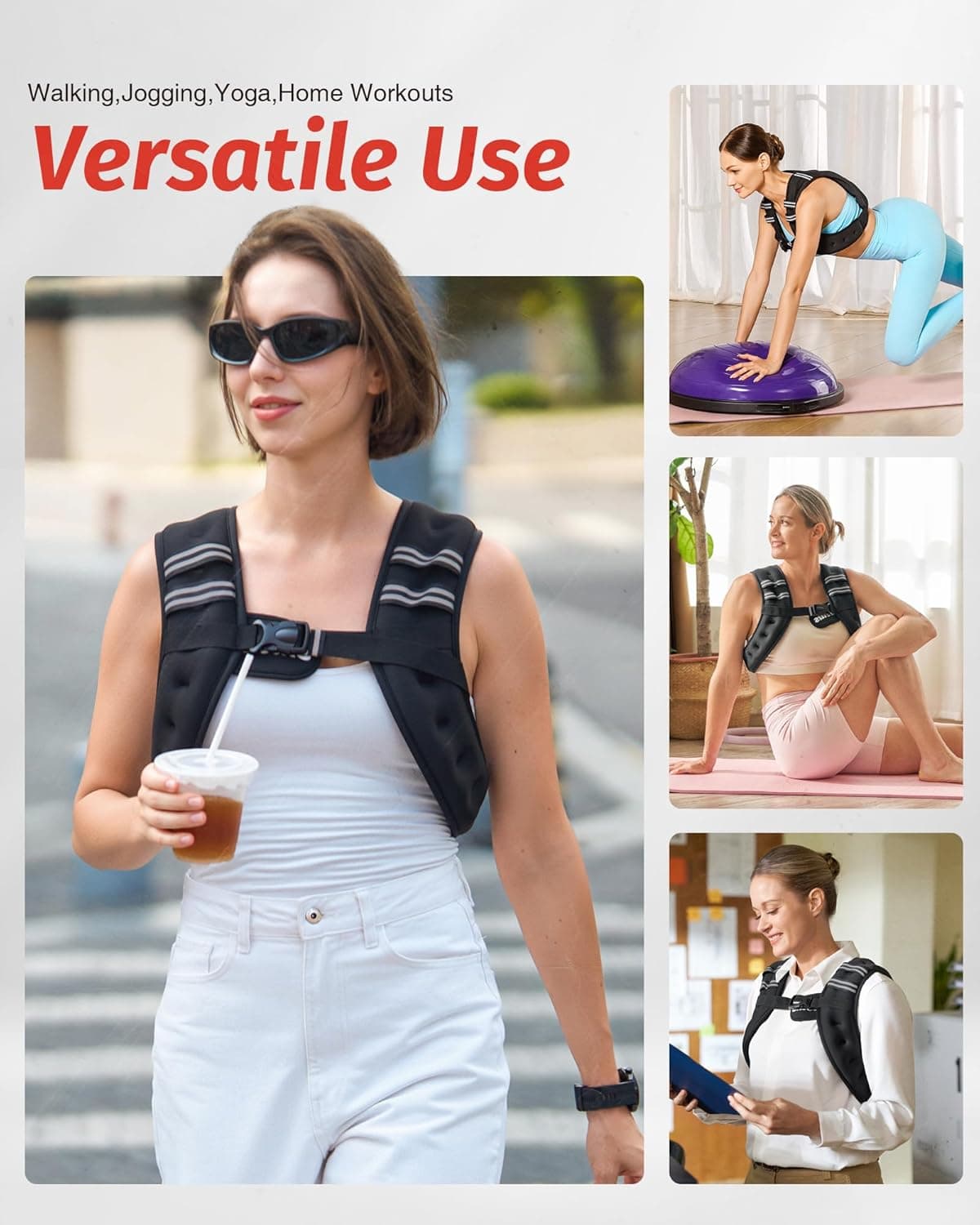
ZELUS
8.6
ZELUS Weighted Vest with Reflective Stripe
Weight Options: 6 / 8 / 12 / 16 / 20 / 25 / 30 lb
Standout: Highest review volume (16K+), proven durability, extra pockets
Current Price: $27.99
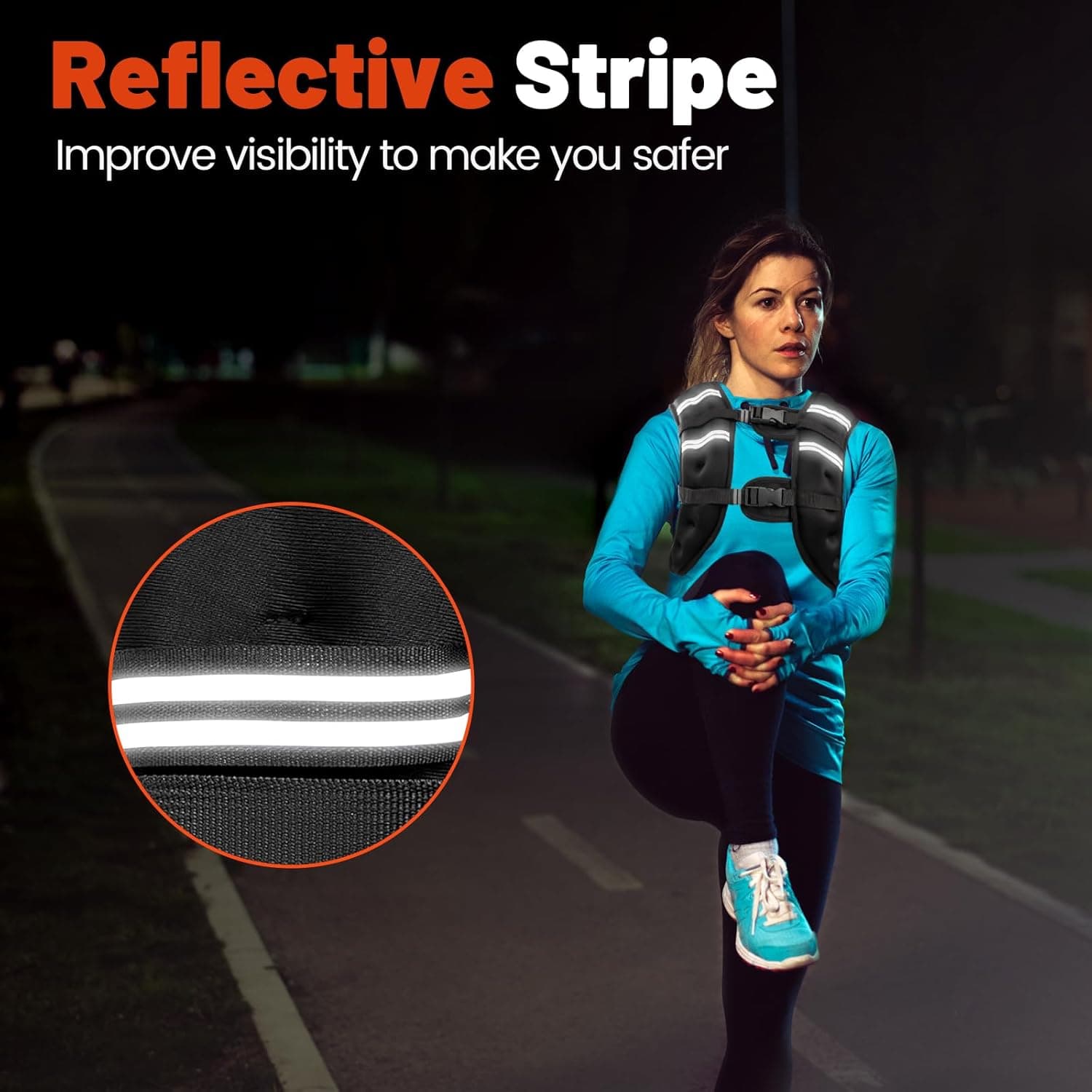
Poudee
8.3
Poudee Adjustable Weighted Vest with Reflective Stripe
Weight Options: 6 / 8 / 10 / 12 / 16 / 20 / 25 / 30 lb
Standout: Best pure value — 5K+ bought last month at the lowest price point
Current Price: $19.99
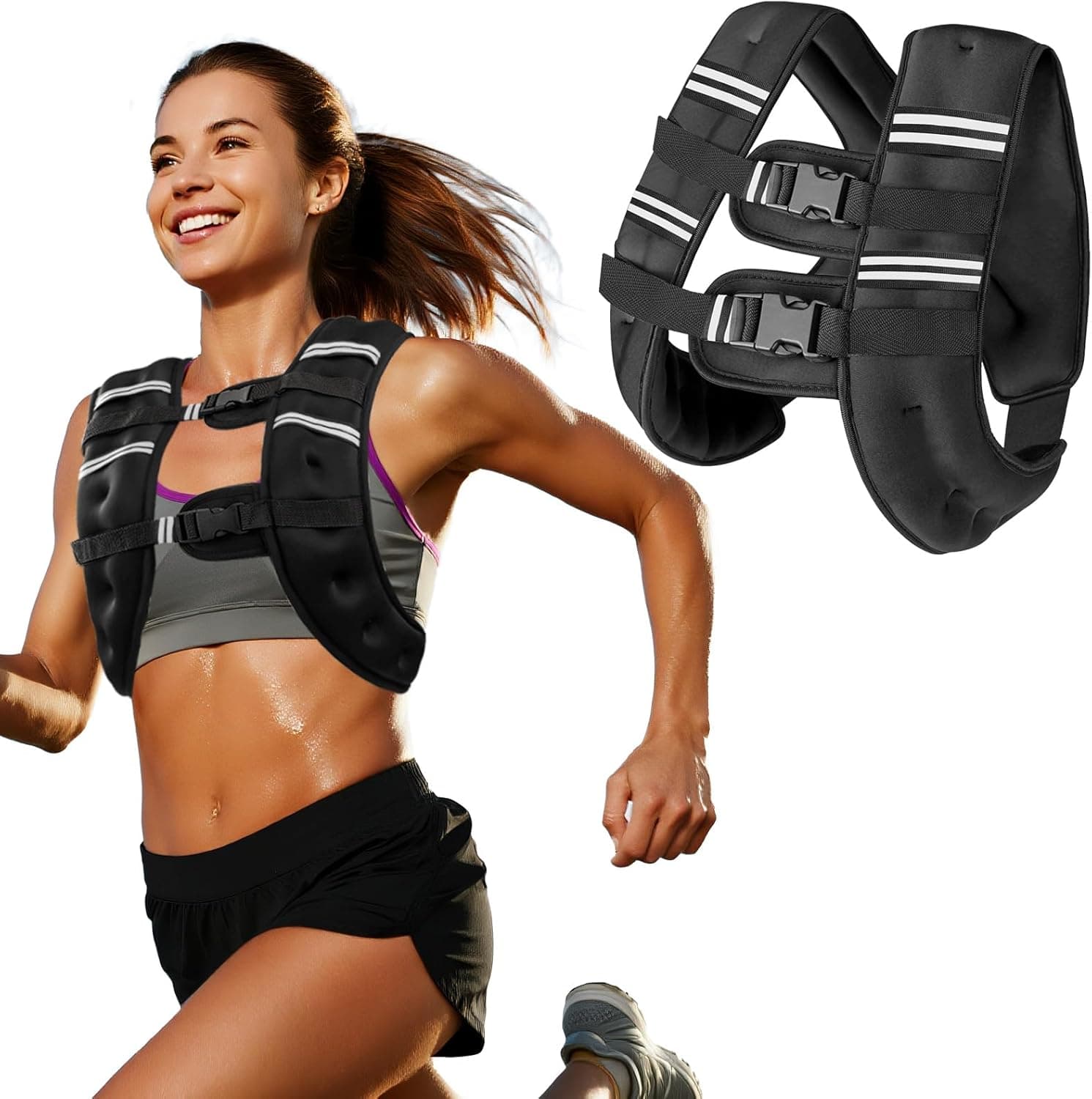
Zikopomi
8.5
Zikopomi Weighted Vest with Reflective Stripes
Weight Options: 6 / 8 / 12 / 16 / 20 / 25 / 30 lb
Standout: Best customer rating + "upgraded" sand distribution claims
Current Price: $25.99
Complete Specification Comparison
Side-by-side specs. All three are iron-sand filled neoprene vests with reflective elements. Scroll horizontally on mobile.
| Feature | ZELUS | Poudee | Zikopomi |
|---|---|---|---|
| Current Price (research) | $27.99 | $19.99 | $25.99 |
| Weight Options | 6 / 8 / 12 / 16 / 20 / 25 / 30 lb | 6 / 8 / 10 / 12 / 16 / 20 / 25 / 30 lb | 6 / 8 / 12 / 16 / 20 / 25 / 30 lb |
| Material | Durable neoprene + iron sand | Neoprene fabric + iron sand | Durable neoprene + upgraded iron sand |
| Adjustability | Elastic straps + chest strap | Elastic straps + reflective accents | Elastic straps with size guidance |
| Standout Feature | Highest review volume (16K+), proven durability, extra pockets | Best pure value — 5K+ bought last month at the lowest price point | Best customer rating + "upgraded" sand distribution claims |
| Best For | Runners, ruckers, and anyone wanting a reliable vest with storage | Budget-conscious buyers, beginners testing weighted training | Users who prioritize star ratings and want a middle price with strong feedback |
| Our Score | 8.6 / 10 | 8.3 / 10 | 8.5 / 10 |
| Pros |
|
|
|
| Cons |
|
|
|
| Direct Link | View on Amazon | View on Amazon | View on Amazon |
Prices and availability based on Amazon listings at time of research (June 2026). Always verify current pricing and weight options.
Comfort, Bounce & Real-World Use
Running, Rucking & Bodyweight Training
All three vests use soft iron sand (not hard plates), which conforms better to the body than plate-loaded carriers. This reduces pressure points during running and rucking.
- Bounce: Expect some movement during high-impact running. ZELUS reviews frequently mention it is manageable with the chest strap cinched. Tighter fit + slower cadence helps.
- Shoulder Comfort: ZELUS explicitly advertises cushioned shoulders. The other two rely on the neoprene itself. For long rucks (45+ min), padding matters more.
- Storage: Only ZELUS lists a dedicated zip pocket + mesh pocket — useful for phone, keys, or small water bottle on runs without a pack.
- Visibility: All include reflective stripes. Important for early morning or evening outdoor work.
Which Weighted Vest Is Best For You?
The Serious Runner or Rucker
You log miles with added weight and need storage for phone/keys plus good visibility and long-session comfort.
🏆 Best Choice: ZELUS
Pockets + highest real-world feedback for running with load + reflective stripe. Worth the small premium for frequent use.
The Beginner or Budget Buyer
You want to try weighted training (bodyweight circuits, walks, light rucking) without spending much.
🏆 Best Choice: Poudee
Lowest price by a clear margin. Amazon's Choice with massive recent purchase volume proves it works for thousands of new users.
The Rating-Focused Buyer
You research heavily and prefer the product with the highest customer star rating and current deal.
🏆 Best Choice: Zikopomi
4.7 stars + visible deep discount at research time. Good middle-ground price with strong recent feedback.
Strength Training & Muscle Building Focus
You mainly use the vest for push-ups, pull-ups, squats, lunges, and want solid build quality for repeated use.
🏆 Best Choice: ZELUS or Zikopomi
Both emphasize double-stitching and durable neoprene. ZELUS has more long-term durability anecdotes; Zikopomi has the edge in star rating.
Final Recommendations: What We’d Buy
Best Overall: ZELUS
If you plan to use the vest regularly for running, rucking, or bodyweight circuits, ZELUS is the safest choice. The extra pockets and massive review volume give us the most confidence in long-term durability and real-user comfort.
Check Price on Amazon →Best Value: Poudee
For most first-time buyers or anyone on a tight budget, Poudee delivers the core weighted vest experience at the lowest price. The sales numbers show thousands of people are happy with it right now.
Check Price on Amazon →Frequently Asked Questions
Are these vests adjustable or do I have to buy a specific weight?
You choose the total weight version when purchasing (e.g. the 20 lb vest). The iron sand is distributed in removable packets in most designs, but you cannot easily add or remove small amounts beyond the purchased total. If you want to progress, buy a higher weight version later or choose 20–30 lb upfront.
How much weight should I start with for running or rucking?
A common guideline is 5–10% of your body weight for running, and up to 10–15% for rucking/walking. Example: a 160 lb person might start with 8–12 lb. Always prioritize form and joint comfort over adding more weight.
Do weighted vests help with weight loss?
Yes, they increase calorie burn during the same activity (walking, bodyweight circuits, etc.). However, the majority of fat loss still comes from consistent calorie deficit through diet. Use the vest as a tool to make movement more effective, not as a magic solution.
Are these safe for people with bad knees or back issues?
Consult a doctor or physical therapist first. Added load increases stress on joints and the spine. Many people with mild issues use light vests successfully for walking, but poor form or too much weight too soon can aggravate problems.
What is the difference between these budget vests and expensive plate carriers?
Plate carriers (Rogue, 5.11, etc.) let you add/remove individual plates for precise progression and are generally more durable for very heavy loads. These sand-filled vests are softer, more comfortable for cardio/rucking, much cheaper, and sufficient for most people training at 6–30 lb total.
Can I wear the vest every day?
Most people do better with 2–4 sessions per week to allow recovery. Daily use at higher weights can lead to overuse injuries, especially in the shoulders, knees, and lower back. Listen to your body.
Do these vests work for women?
Yes. All three are marketed as unisex and have elastic adjustment. Women with smaller frames may prefer starting with the lighter options (6–12 lb) and ensuring the shoulder straps sit comfortably. Many female reviewers use the same models successfully.
How do I clean a weighted vest?
Wipe the neoprene exterior with a damp cloth. Do not submerge or machine wash (the sand/iron filling can be damaged). Air dry completely before storage. Some people use a light spray of fabric sanitizer between uses.
Pair Your Weighted Vest Training With Our Free Calculators
Track the extra effort and results from your weighted sessions:
Transparency & Methodology
About This Comparison
- Last Updated: June 10, 2026
- Research Scope: Current Amazon listings, review volume analysis (16K+ for ZELUS, 2K+ for Poudee, 1.7K+ for Zikopomi), sales velocity signals, and feature comparison from manufacturer descriptions and verified buyer feedback.
- Expert Review: Data cross-checked against general fitness guidelines for progressive overload and safe load carriage during running/walking.
- Updates: This page is reviewed when significant new models or pricing shifts occur in the budget weighted vest category.
Affiliate Disclosure
This comparison contains Amazon affiliate links. We earn a small commission if you purchase through these links at no extra cost to you. This does not influence our recommendations—we only recommend products we believe deliver genuine value.
Medical & Safety Disclaimer
This comparison is for informational purposes only and does not constitute medical advice. Weighted vests increase load on your joints, spine, and cardiovascular system. People with knee, hip, back, shoulder issues, osteoporosis, or any medical condition should consult a physician or qualified trainer before use. Start light, maintain good posture, and stop immediately if you feel pain (beyond normal muscle fatigue). Proper footwear and gradual progression are essential.
Related Reading
Ready to Add Resistance to Your Training?
Pick the vest that fits your budget and goals, start conservatively, and track your progress with our free calculators.
Estimate Your Calorie Burn