Expert ComparisonUpdated June 2026
WHOOP vs Bestinn vs Zeacool
Best Fitness Trackers & Wearables for 24/7 Heart Rate, Sleep Monitoring & Activity Tracking
Wearable fitness trackers have evolved from simple step counters into sophisticated 24/7 health monitors. We compared three very different options: the premium, screenless WHOOP 5.0 focused on recovery and strain, the feature-packed Bestinn smartwatch with blood pressure monitoring, and the ultra-budget Zeacool with broad sports modes.
This guide covers real differences in battery life, data accuracy for heart rate and sleep, subscription costs, coaching value, and which tracker makes the most sense depending on whether you want deep recovery insights, a traditional watch experience, or just affordable daily tracking.
Affiliate Transparency: This comparison includes Amazon affiliate links. We earn a commission at no extra cost to you. We only recommend products we believe deliver real value. Full disclosure at the bottom.
Quick Verdict: Find Your Winner
🏆 Best Premium / Recovery Focus: WHOOP
Deep HRV, strain, and recovery scoring with personalized coaching. No screen — everything through the app.
Best for: Athletes, biohackers, and anyone serious about training load and recovery
⌚ Best Feature-Packed Watch: Bestinn
Full smartwatch with blood pressure, 120 sports modes, heart rate, SpO2, and IP68 waterproofing at a reasonable price.
Best for: Users who want a traditional watch experience with broad health metrics
💰 Best Ultra-Budget Option: Zeacool
Very low price with 123 sports modes, 24/7 heart rate, blood oxygen, and sleep tracking. Solid entry-level choice.
Best for: Beginners or anyone who wants basic activity tracking without a big investment
❤️ Best for Pure 24/7 Health Data: WHOOP
Continuous monitoring focused on physiological strain and recovery rather than notifications or apps on wrist.
Best for: People who prioritize recovery insights and long battery over a screen
How We Selected These Trackers
We picked three trackers that represent very different approaches and price points in the current market:
- Wide Price Range: From premium subscription-based (WHOOP ~$359 + membership) to mid-range feature watch (~$90) to true budget option (~$30).
- Core Health Metrics: All track heart rate and sleep. We evaluated differences in blood oxygen, HRV/recovery, blood pressure claims, and sports modes.
- Real-World Practicality: Battery life, form factor (band vs watch), waterproofing, and whether a screen is actually useful or just a battery drain.
- Recent Sales & Reviews: Focused on models with meaningful purchase volume and recent user feedback.
Understanding 24/7 Fitness Trackers & Wearables
Modern trackers use optical heart rate sensors (PPG) to estimate heart rate, HRV, blood oxygen (SpO2), and sleep stages. Accuracy varies significantly between premium medical-adjacent devices and budget optical sensors.
Key Metrics Explained:
Heart Rate Variability (HRV) is one of the best indicators of recovery. Strain/Recovery scores (WHOOP) combine activity load with resting physiology. Blood pressure on wrist devices is an estimate only.
Screen vs No-Screen:
Traditional smartwatches show data on your wrist but drain battery faster. Screenless bands like WHOOP push everything to the phone app and can last much longer between charges.
Subscription Reality:
WHOOP requires a membership for full features (first 12 months often included). Most other trackers are one-time purchases but have more limited insights and coaching.
The Three Trackers: Detailed Profiles

WHOOP
9
WHOOP 5.0 Activity Tracker with 12-Month Membership
Battery: 14+ days
Standout: Premium recovery and strain coaching with no screen — data via app only
Price: $359.00 (includes 12mo membership)
Bestinn
8.3
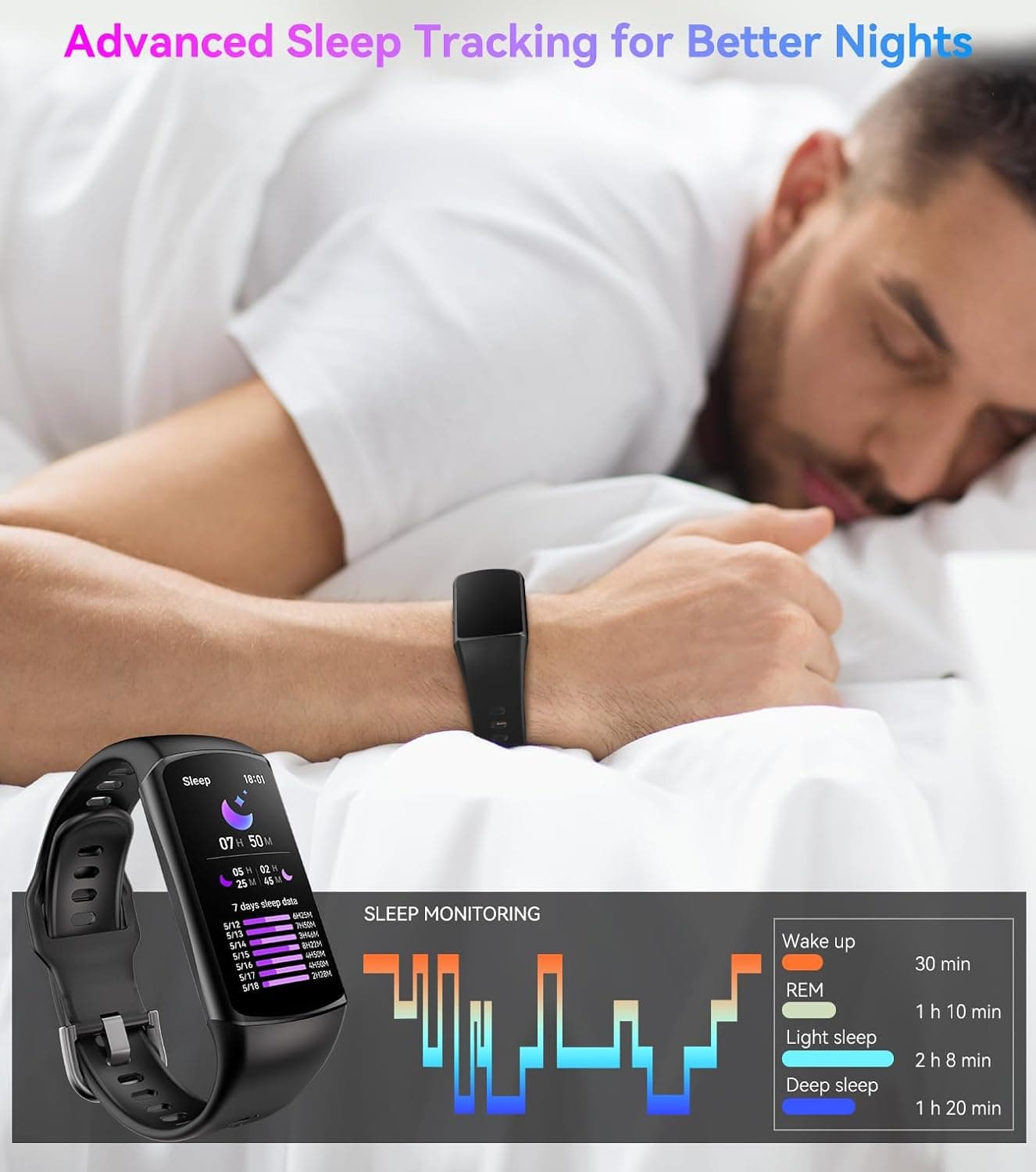
Bestinn Smart Watch Fitness Tracker with Blood Pressure
Battery: Standard smartwatch (typically 7-10 days)
Standout: Full smartwatch features including blood pressure monitoring at a very accessible price
Price: $89.99
Zeacool
7.8
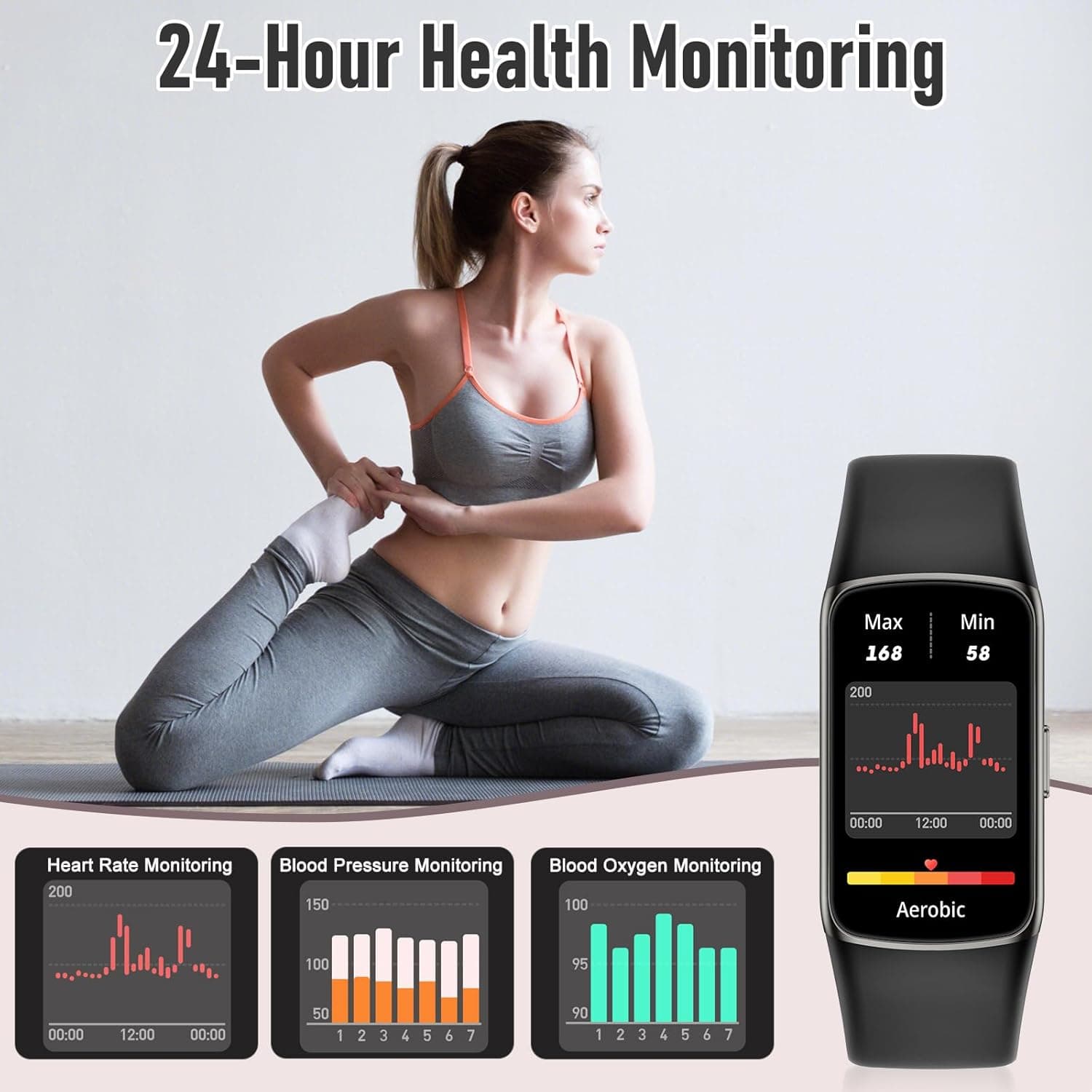
Zeacool Fitness Tracker with 24/7 Heart Rate & Sleep Monitor
Battery: Standard (typically 5-7 days)
Standout: Extremely affordable entry-level tracker with a huge number of sports modes
Price: $29.99
Complete Specification Comparison
Side-by-side specs focused on health monitoring, battery, and real usability. Scroll horizontally on mobile.
| Feature | WHOOP | Bestinn | Zeacool |
|---|---|---|---|
| Price | $359.00 (includes 12mo membership) | $89.99 | $29.99 |
| Battery Life | 14+ days | Standard smartwatch (typically 7-10 days) | Standard (typically 5-7 days) |
| Key Metrics | Strain, Recovery, Sleep, HRV, Respiratory Rate, Menstrual Cycle | 24/7 Heart Rate, Blood Oxygen, Blood Pressure, Sleep, 120 Sports Modes | 24/7 Heart Rate, Blood Oxygen, Sleep, 123 Sports Modes, Step Counter |
| Standout Feature | Premium recovery and strain coaching with no screen — data via app only | Full smartwatch features including blood pressure monitoring at a very accessible price | Extremely affordable entry-level tracker with a huge number of sports modes |
| Best For | Serious athletes, biohackers, and people who want deep recovery insights and personalized coaching | Users who want a traditional watch-style tracker with broad health metrics and sports modes | Beginners, budget-conscious users, or anyone who wants basic activity + sleep tracking without spending much |
| Our Score | 9 / 10 | 8.3 / 10 | 7.8 / 10 |
| Pros |
|
|
|
| Cons |
|
|
|
| Direct Link | View on Amazon | View on Amazon | View on Amazon |
Prices and specs based on current Amazon listings (June 2026). Battery life is manufacturer-claimed and varies with usage. Consumer blood pressure and SpO2 readings are estimates only.
Accuracy, Subscription & Real-World Use
Important Considerations for 24/7 Wearables
- Heart Rate Accuracy: All use optical sensors. WHOOP is generally regarded as one of the more accurate continuous monitors for resting/recovery data. Budget watches can struggle during high-intensity exercise.
- Blood Pressure on Wrist: Consumer devices (like Bestinn) provide estimates only. They are not a replacement for a proper medical blood pressure cuff.
- Subscription Model: WHOOP bundles the first year of membership. After that it becomes a recurring cost for full features. Most other trackers have no subscription.
- Form Factor: WHOOP is a flexible band designed to be worn 24/7 (often on upper arm or wrist). The others are traditional watch-style devices.
Which Fitness Tracker Is Best For You?
The Performance Athlete / Biohacker
You train hard and care deeply about recovery, training load, HRV trends, and getting personalized daily guidance on when to push or rest.
🏆 Best Choice: WHOOP
The strain and recovery system is best-in-class. The lack of screen forces you to engage with the data in the app, which many users find beneficial.
The General Health & Activity Tracker
You want a device that looks like a normal watch, tracks the basics well (steps, heart rate, sleep, SpO2), has sports modes, and includes extras like blood pressure monitoring.
🏆 Best Choice: Bestinn
Best balance of features, price, and traditional smartwatch form factor among the three.
The Budget Beginner
You want to start tracking steps, heart rate, sleep, and workouts without spending a lot of money and aren’t sure how committed you’ll be long-term.
🏆 Best Choice: Zeacool
Extremely low barrier to entry with surprisingly broad sports mode coverage. Good way to test the waters.
The 24/7 Data Minimalist
You want continuous physiological data (especially recovery) but dislike notifications, apps on your wrist, and having to charge frequently.
🏆 Best Choice: WHOOP
The screenless design and exceptional battery life make it ideal if you just want the numbers without the smartwatch distractions.
Final Recommendations: What We’d Buy
Best Overall for Serious Tracking: WHOOP
If budget allows and you’re willing to engage with the app daily, WHOOP delivers the most sophisticated recovery and strain insights of the three. The 14+ day battery and lack of screen are features, not bugs, for many users focused on health data.
Check Price on Amazon →Best Value Watch-Style: Bestinn
For most people who want a device they can glance at, with solid heart rate, SpO2, sleep, and even blood pressure monitoring at a fair price, the Bestinn hits a sweet spot between features and cost.
Check Price on Amazon →Frequently Asked Questions
Is WHOOP worth the subscription cost?
It depends on how much value you get from the recovery and strain insights. Many serious athletes and people managing high training loads find the data transformative. Casual users often feel the ongoing cost isn’t justified compared to a one-time purchase smartwatch.
How accurate is blood pressure on a wrist tracker like Bestinn?
Consumer wrist-based blood pressure is an estimate and generally less accurate than a proper upper-arm cuff, especially during movement. It can be useful for trends but should not replace medical devices for hypertension management.
Do I need to wear a tracker 24/7 for good sleep data?
Yes for the most accurate overnight data. Removing the device for showers or charging will create gaps in sleep staging, HRV, and resting heart rate trends. This is one reason long-battery devices like WHOOP are popular.
Which is better for beginners — a cheap tracker or saving for WHOOP?
Most beginners are better off starting with an affordable option like Zeacool or Bestinn to build the habit of tracking. If after 6–12 months you’re still very engaged and want deeper recovery insights, then consider upgrading to WHOOP.
Can these trackers replace a medical heart rate monitor?
No. Optical wrist sensors are convenient for daily use but less accurate than chest straps during intense exercise. For serious training zones or medical monitoring, a chest strap or proper medical device is still superior.
Pair Your Tracker With Our Free Health Calculators
Use the data from your wearable together with these tools:
Transparency & Medical Disclaimer
Affiliate Disclosure
This comparison contains Amazon affiliate links. We earn a small commission if you purchase through these links at no extra cost to you. Recommendations are based on features, value, and user feedback — not affiliate payouts.
Important Health Disclaimer
This comparison is for informational purposes only and does not constitute medical advice. Consumer fitness trackers and wearables provide estimates. Blood pressure, SpO2, and sleep stage readings from wrist devices are not medical-grade. For diagnosis or treatment of any health condition, consult a qualified healthcare professional. Always validate important health data with appropriate medical equipment when needed.
Ready to Start Tracking Your Health 24/7?
Choose the tracker that fits your budget and goals, then use our free heart rate and sleep calculators to make sense of the data.
Open the Heart Rate Calculator